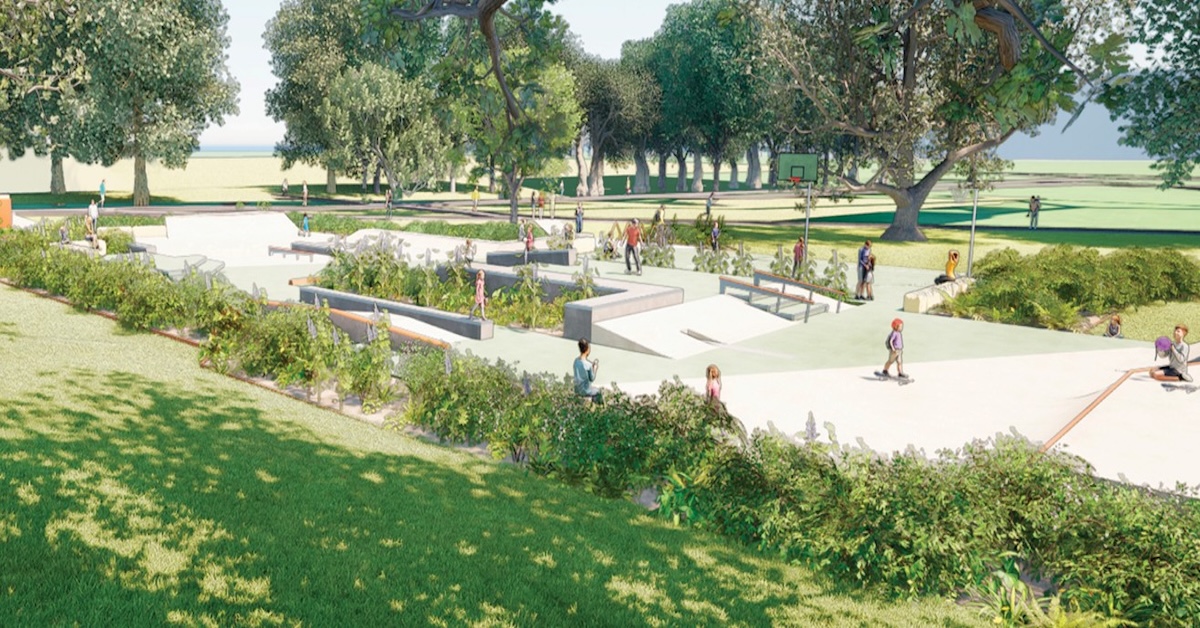
A tiny slice of Rushcutters Bay Park is finally becoming a youth recreation area, marking the end of a ten-year battle over heritage, public space, and the changing needs of Sydney’s eastern suburbs.
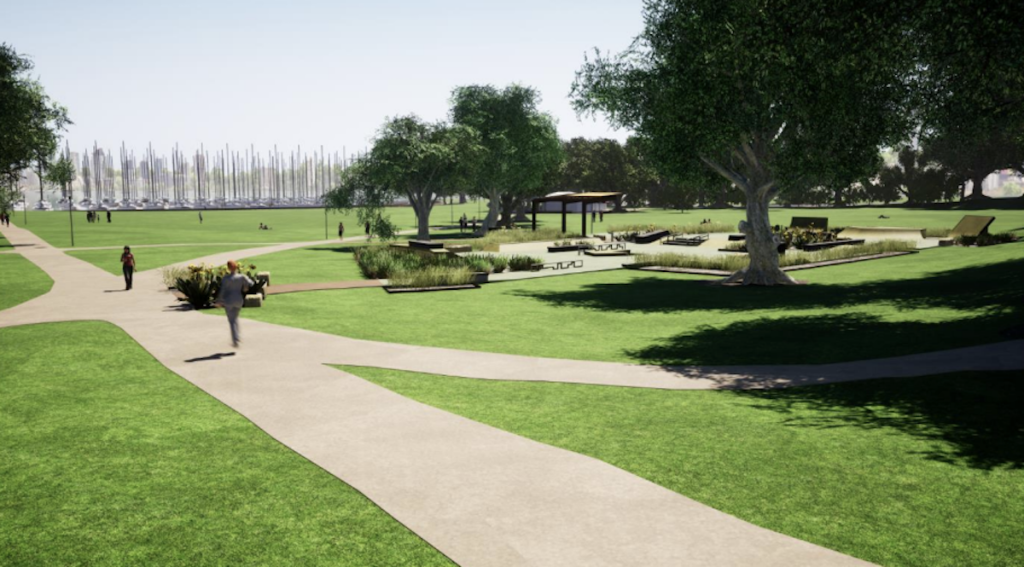
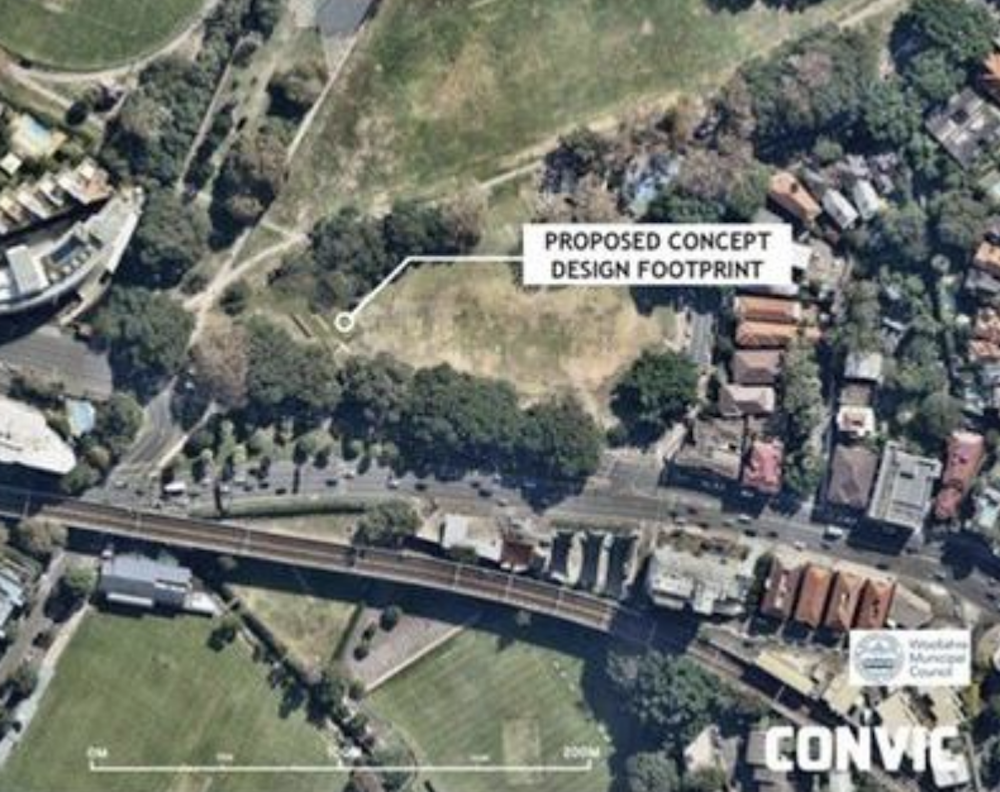
Construction has officially begun on the youth precinct, which will occupy just two per cent of the Edgecliff waterfront reserve. Driven by Woollahra Council, the project will feature beginner-friendly skate and scooter facilities, a half-court for basketball and netball, new seating, and fresh landscaping.
The milestone marks the conclusion of a planning marathon. Because the project took more than a decade to move from concept to construction, some local children who were toddlers when the idea was first floated are now teenagers watching the bulldozers roll in.
Planners Target a ‘Recreation Gap’
The push for the facility began after council studies identified a distinct lack of outdoor spaces for children aged eight to 14. While younger children were well-served by local playgrounds, families with older kids reported regularly traveling outside the municipality to find suitable spots for skateboarding, scootering, and informal sports.
Unlike larger, high-impact skate parks across Sydney, this design strictly targets entry-level users.
Supported by local parents and Mayor Sarah Dixson, proponents view the project as a vital investment in families as nearby density and population growth continue to rise. Council planning documents emphasize that the facilities will fulfill a long-standing community need while leaving 98 percent of the park entirely untouched.
The Heritage Battleground
The path to construction was heavily contested. As plans progressed, local residents and community organizations, including The Darling Point Society, strongly opposed the development. Critics questioned whether a skate facility was appropriate for a heritage-listed public park, raising concerns over noise, visual impacts, and the loss of open green space. Some argued existing recreational options were already sufficient.
The debate intensified when the park received formal heritage recognition, triggering a wave of mandatory reviews. A rotating door of heritage specialists, archaeologists, and planning authorities was brought in to assess archaeological sensitivity and landscape impacts.
While the extensive review process delayed construction for years, it ultimately shaped a final design intended to blend respectfully into the historic environment—an approach supported by the Australian Institute of Landscape Architects, which noted that heritage landscapes must be allowed to evolve.
Upgrades Beyond the Skate Park
The youth precinct is part of a broader, multi-million-dollar effort by Woollahra Council to upgrade Rushcutters Bay Park’s safety and environmental footprint.
Simultaneously, works have been completed near the park kiosk to fix deteriorating, uneven rubber surfaces around heavily trafficked tree roots, which had become major trip hazards. To solve the issue without damaging the trees, engineers installed a permeable, resin-bound paving system by StoneSet. The innovative surface allows water and air to reach the root zones while preventing the microplastic shedding associated with traditional rubber surfaces.
A Blueprint for Modern Urban Parks
Ultimately, the transformation of Rushcutters Bay Park highlights the complex, competing demands placed on modern urban green spaces.
By balancing the immediate active needs of young families with the rigorous conservation demands of heritage advocates, the final park layout serves as a case study in compromise—providing modern community infrastructure while safeguarding historical and environmental assets.