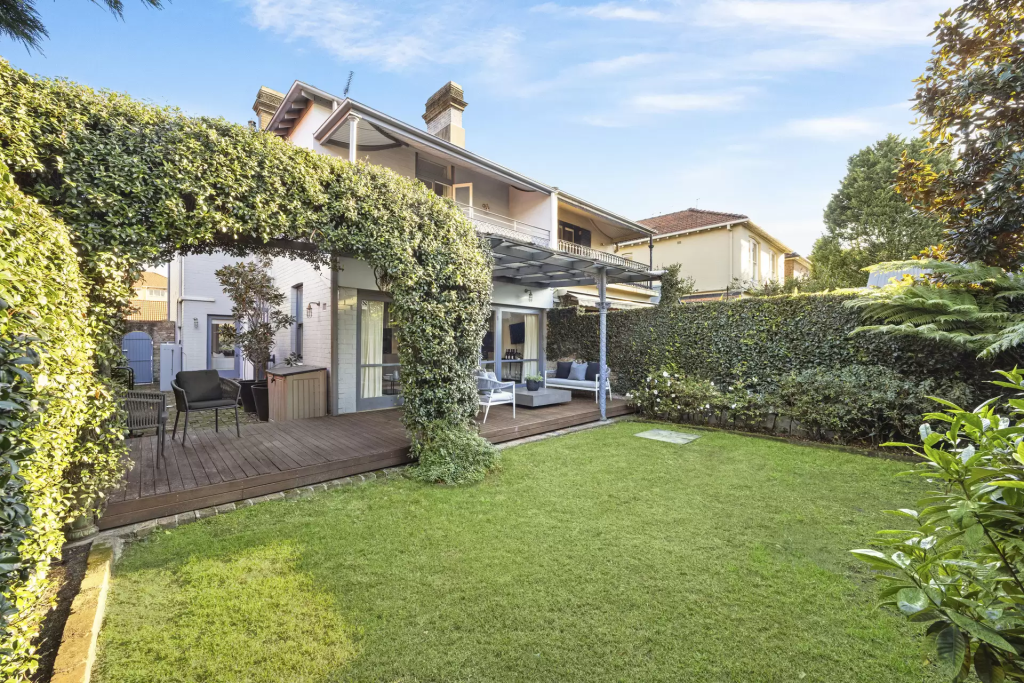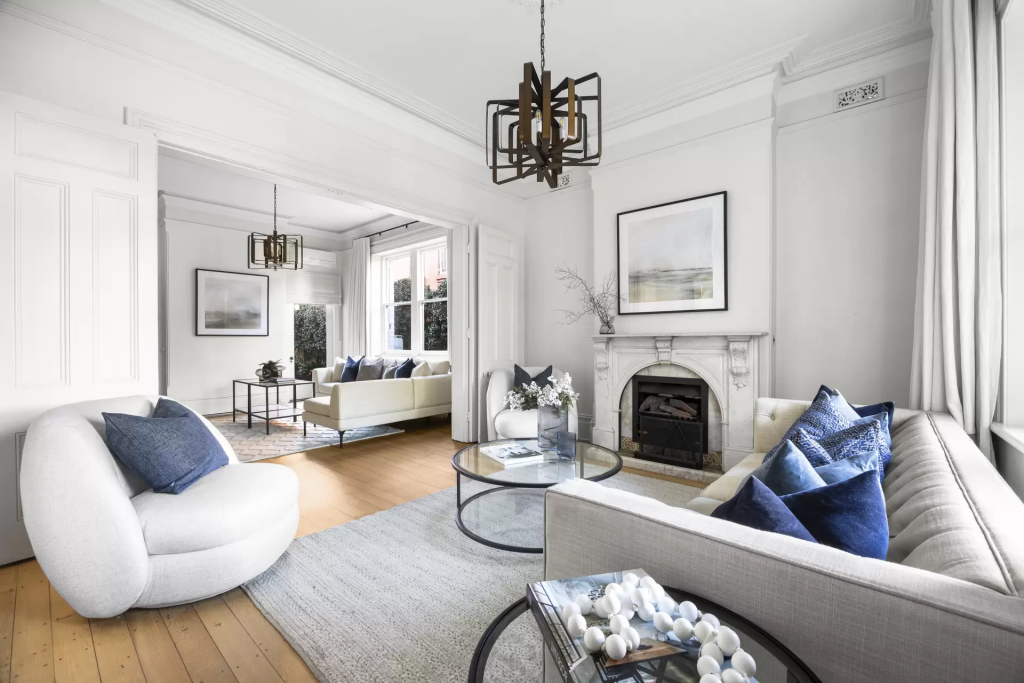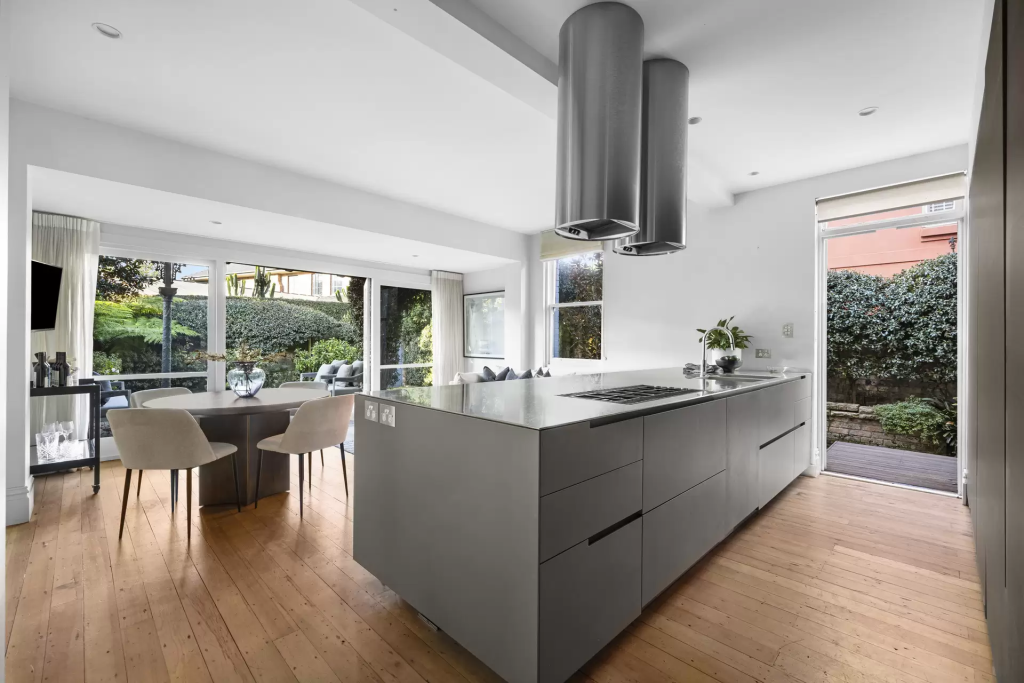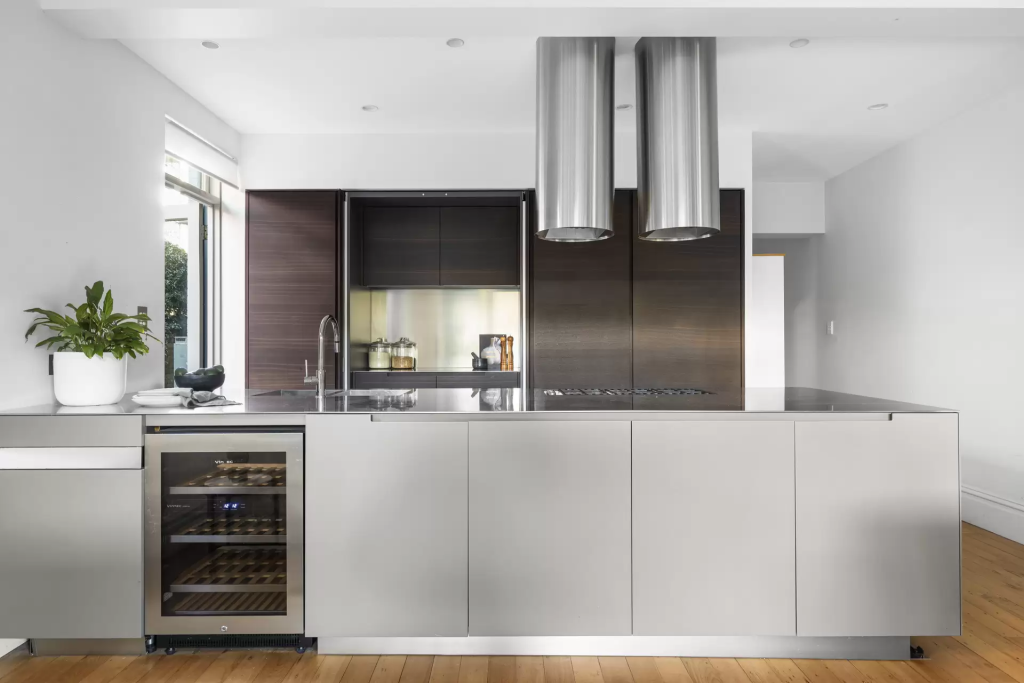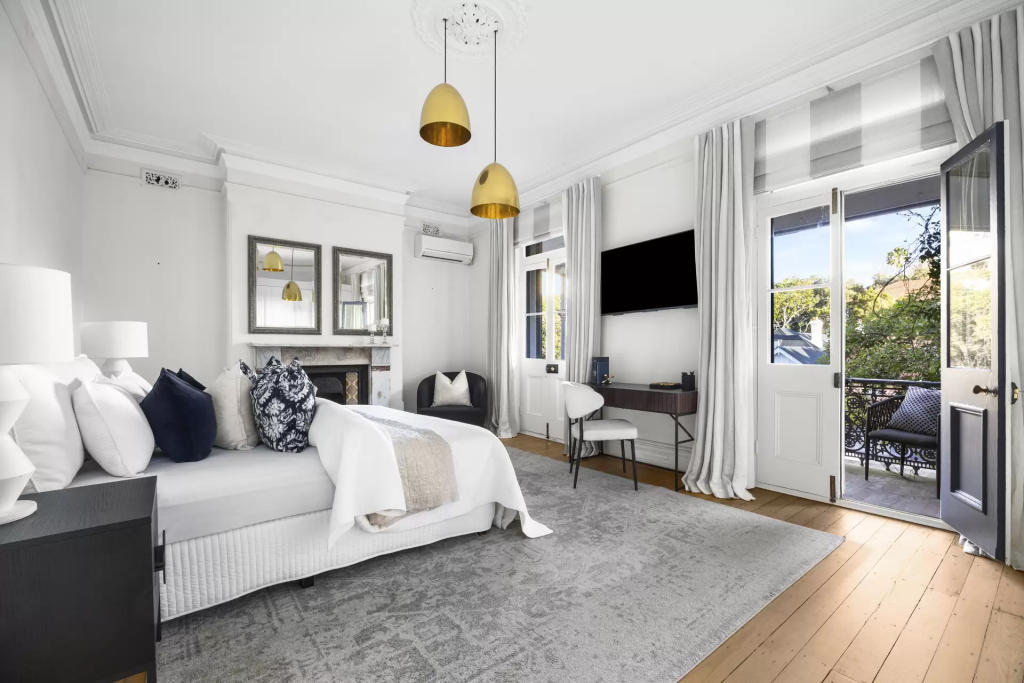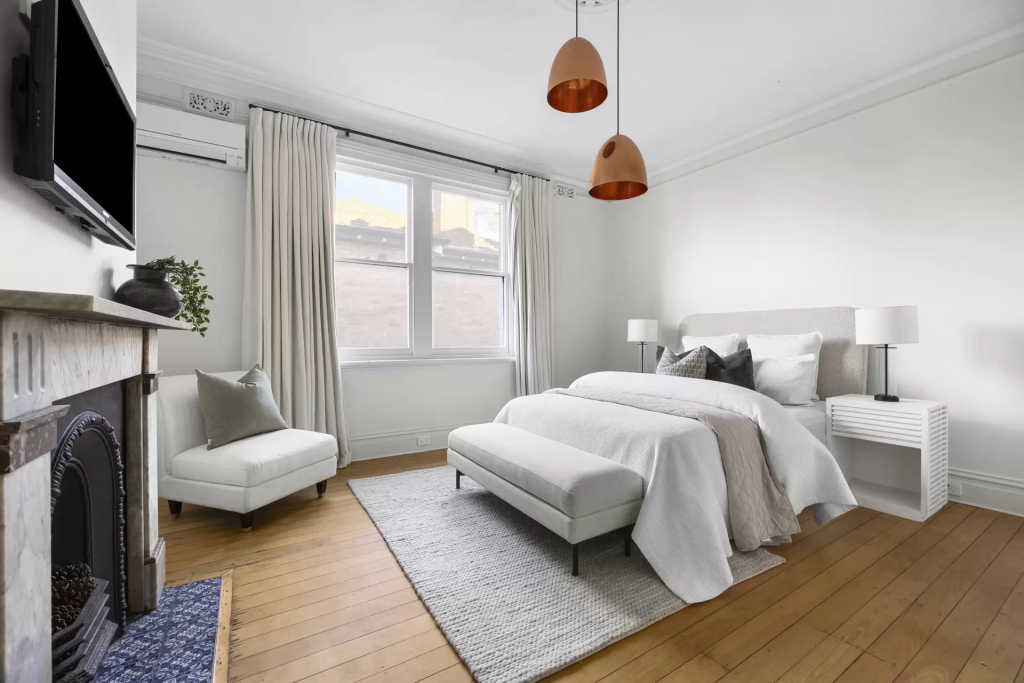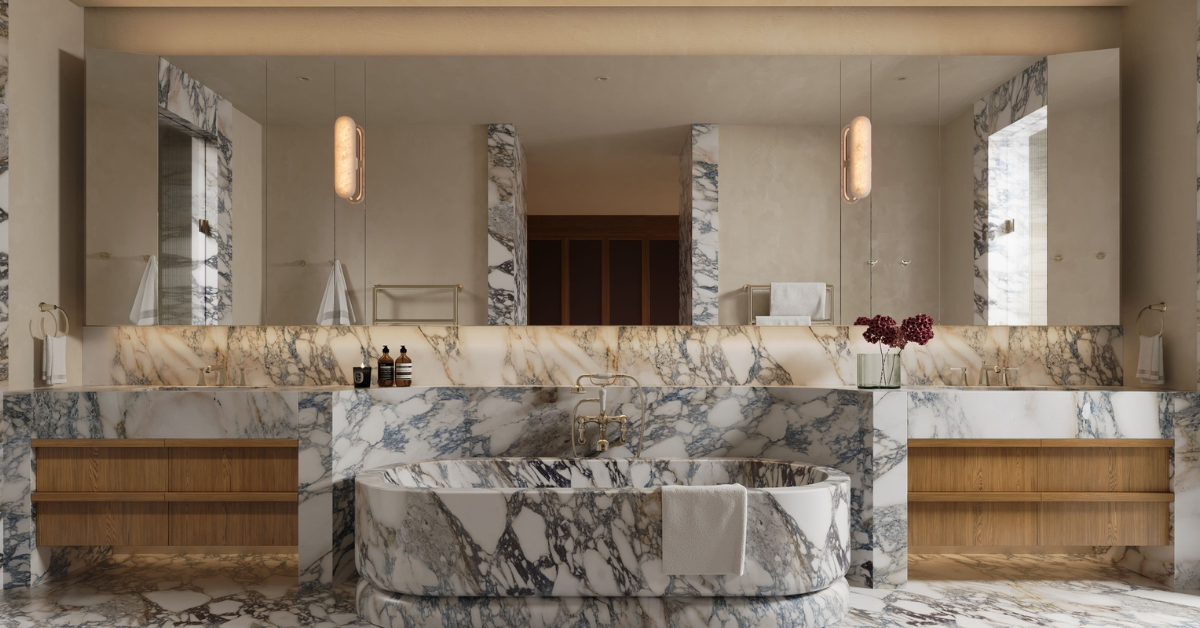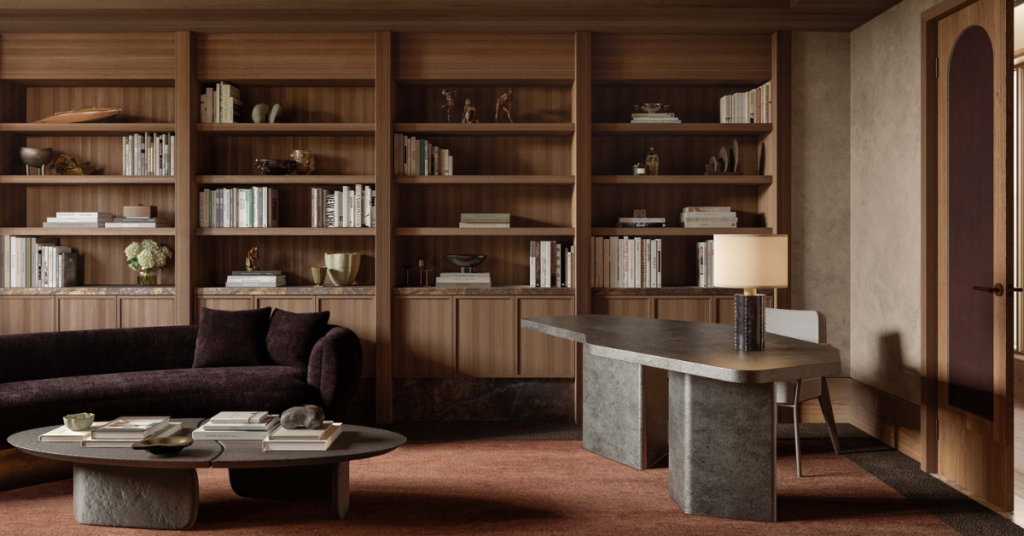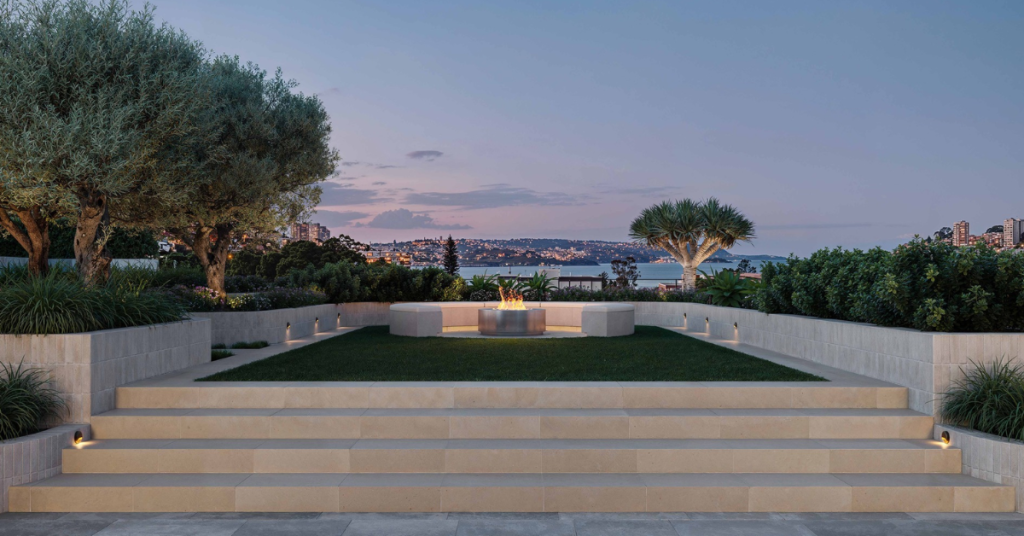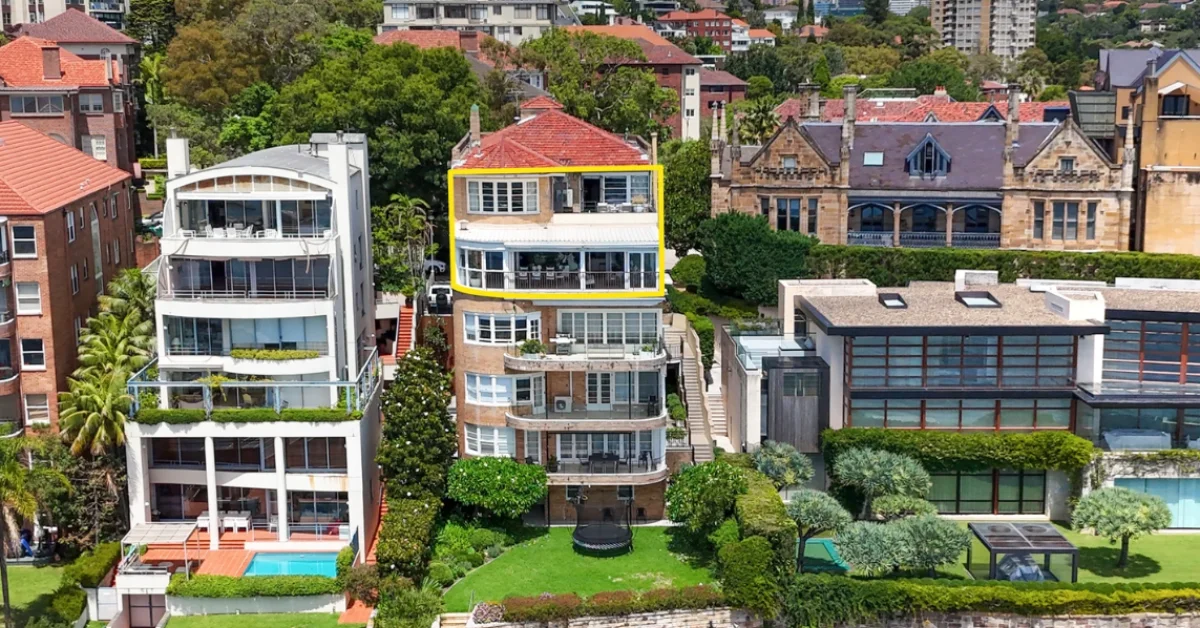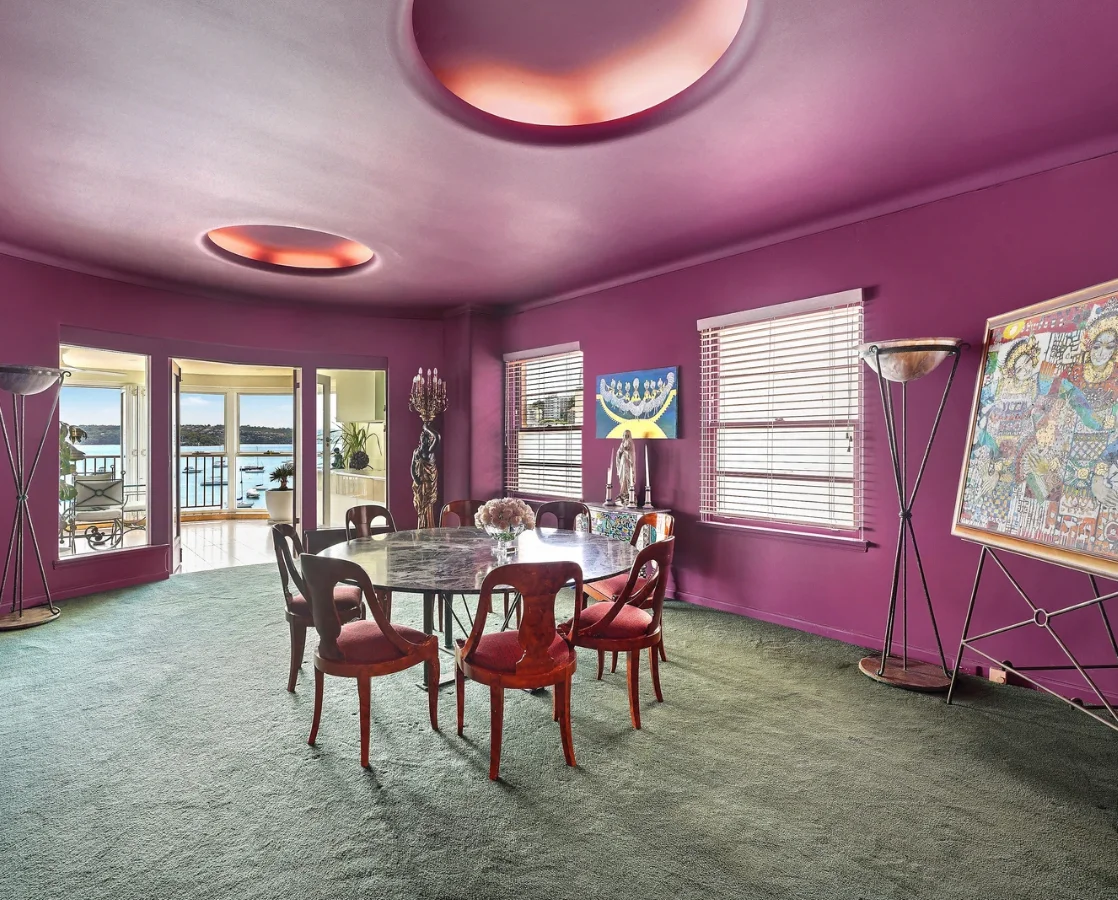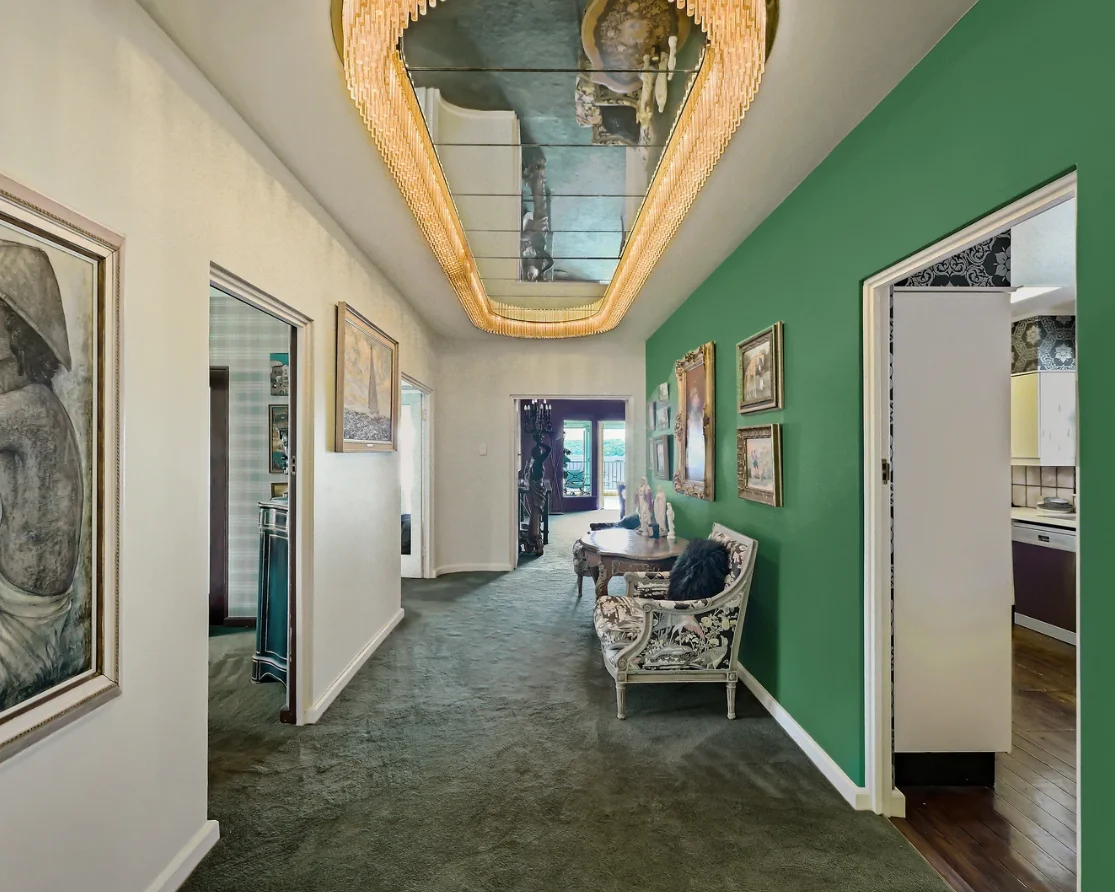

Eight apartments at 55 William in Double Bay are set to be released to the market in September, with construction under way on the six-storey residential development.
The project at 55 William Street will contain four full-floor and four half-floor apartments across a 599 sqm site.
The mix includes two and three-bedroom residences, including a ground-floor garden apartment, full-floor apartments, a sub-penthouse and penthouse.
Two basement levels will provide secure parking, while each residence will have private outdoor space. A rooftop area will also be available to residents.
The apartments are north-facing, with selected residences and the rooftop area overlooking Double Bay Harbour towards the Sydney skyline.
Construction has already started following approval of the development, with completion targeted for 2028.
The project sits one street back from Double Bay Beach, about 230 metres from the nearest beach, and within walking distance of Double Bay Village and the ferry wharf.
Sales are scheduled to begin in September, with early appointments planned from the start of the month. Residences are priced from $4.5 million.
The building was designed by MHN Design Union, with interiors by 1508 London and landscaping by Wyer & Co.
Some apartments will have ceiling heights of up to three metres, while planned kitchen finishes include natural stone and integrated appliances.
Photo Credit: Fortis
More Development Activity Around Double Bay
55 William adds another residential project to Fortis’s existing activity in the suburb.
The developer previously completed Marmont, a nine-residence building on New South Head Road, and is also working on a mixed-use residential and retail development at 12 Cross Street.
Photo Credit: Fortis
Fortis has other residential projects across Sydney’s eastern suburbs, including Rose Bay, Woollahra, Darling Point, Point Piper and Elizabeth Bay.
Its recently completed Piper development in Point Piper contains 14 residences, while the approved Verano project in Rose Bay is planned as a six-storey building with 21 apartments.
Forty-nine artists selected from 724 local and international entries will bring works shaped by landscape, childhood memories, family knowledge and material experimentation to Double Bay for the 25th Woollahra Small Sculpture Prize.
Their works will be exhibited at Woollahra Gallery at Redleaf, 548 New South Head Road, from 2 October to 29 November, with finalists drawn from across Australia and overseas, including the United States and Ireland.
The winning sculpture will be announced on 1 October. It will receive the $25,000 acquisitive Woollahra Small Sculpture Prize and enter Woollahra Council’s public art collection.
Personal Stories Reach Double Bay
Several of the finalist works draw directly on places, memories and experiences far beyond the gallery walls.
Thirroul artist BJ Kim’s do Geese see God? was inspired by seabirds soaring along the NSW north coast and explores freedom, joy and transcendence. Its palindrome title corresponds with the sculpture’s dual orientation while carrying references to birds and spirituality.
Another Thirroul finalist, Lynda Draper, draws on fragmented impressions of her surroundings and an interest in historical artefacts for JET. The work developed through material experimentation and intuitive form-making, with clay defining form and glass adding another dimension through its interaction with light.
Bryant Chitsey, from Choctaw in the United States, turns to memories of an Oklahoma childhood in Thunderstorm. The haybale at the centre of the work is treated as an icon of the Great Plains and a source of nostalgia, constructed through repeated toothpicks and concentric circles. The sculpture considers how upbringing can shape a person’s relationship with place.
Caption: Melanie Cobham, Unfolded Trees Photo Credit: Woollahra Gallery at Redleaf
Melanie Cobham’s Unfolded Trees traces the growth patterns of Scribbly Gum Moth larvae. Bronze moulded from the bark of an Australian Scribbly Gum is set into raw sandstone, revealing markings created as the insects burrow through the tree. Their paths resemble topographical drawings and provide the visual structure of the work.
Tricia Singer’s Peacock stems from a family memory of encountering a peacock at Mataranka. The sculpture uses wire and rusty metal collected around Iwantja, with its colours and forms drawing on wildflowers on the artist’s Country. Basket-weaving techniques taught by Singer’s mother and senior Tjanpi artist Maringka Burton were used to transform the flower forms into the finished peacock.
Woollahra Small Sculpture Prize Reaches 25 Years
Established in 2001, the Woollahra Small Sculpture Prize was Australia’s first acquisitive award devoted to sculptures measuring no more than 80 centimetres in any dimension.
Across its exhibitions, the prize has featured a wide range of materials and approaches rather than being defined by a single style. This year’s finalist works include bronze, paper, glass and ceramics, as well as assemblage incorporating found and recycled materials, 3D-printed sculptures and kinetic works.
The 2026 judging panel comprises arts leader and philanthropist Beau Neilson, artist and 2018 prize winner Tim Silver, and Emily Sullivan, Assistant Curator of Contemporary International Art at the Art Gallery of New South Wales.
The total prize pool is $29,000. Alongside the $25,000 main award are a $2,000 Special Commendation Award, a $1,000 Mayor’s Award and a $1,000 Viewers’ Choice Award.
The 25th anniversary will also include the inaugural Woollahra Super Small Sculpture Prize for primary school-aged children.
The free competition has categories for children aged five to eight and nine to 12, with each sculpture limited to 15 centimetres in any dimension. Online entries open on 21 September and close on 13 October.
Caption: Bryant Chitsey, Thunderstorm Photo Credit: Woollahra Gallery at Redleaf
Finalists will be exhibited online and alongside the main sculpture exhibition from 4 to 29 November. Each age category has a $200 prize pool, while a separate $100 Viewers’ Choice Award will also be presented.
School holiday sculpture workshops for children aged five to 12 are also scheduled at Woollahra Gallery at Redleaf. One session will be held on 3 October, with five further dates listed as part of the program.
A Double Bay intersection where residents and nearby workers have reported years of near misses, congestion and driver confusion has secured $594,000 for safety design work, moving long-running local concerns into a funded planning stage.
The four-way junction brings together New South Head Road, Bellevue Road, Cross Street and Kiaora Road. For people using the area, complaints have centred on confusing traffic movements, long queues and repeated near misses.
Property manager Elena Sladkova, who works within view of the intersection, has described frequent near misses, regular horn use and motorists becoming uncertain about how to proceed. She also said there had been about three crashes during the previous month.
The concern has also been felt by nearby businesses. In 2025, business owner Pham Yang, who had operated near the intersection for more than two decades, described worsening congestion and frequent frustration as drivers unfamiliar with the layout were caught out by the junction.
The community campaign seeking changes also included accounts from parents avoiding the crossing during peak hour and residents reporting long waits and cars cutting through traffic at high speed.
Transport for NSW data records eight crashes inside the intersection over a five-year period from 2020, including three crashes that resulted in serious injuries. A further five crashes were recorded in the immediate vicinity.
Separate figures used during the community campaign record nine injuries in crashes since 2019.
Woollahra Council has previously identified queues of up to 200 metres along Bellevue Road during the morning peak and raised safety concerns about the dual right-turn movement from New South Head Road.
By April 2025, the junction had become a priority in council requests for reviews of problem intersections along New South Head Road and Old South Head Road.
Transport for NSW has said the funding will be used to develop designs aimed at improving safety at the Double Bay intersection.
Traffic signal upgrades and additional line markings are anticipated as part of the work. The funding is currently directed to developing the safety design rather than a completed physical overhaul.
A Darling Point deceased estate with sweeping harbour views and a $10 million price guide is heading to auction — and it comes with a notable back story.
The whole-floor apartment at 3/8A Carthona Avenue belonged to the late Judith Mactaggart, mother of low-profile Brisbane investor John Mactaggart, whose family shareholding in ASX-listed enterprise software company TechnologyOne has placed him squarely in billionaire territory. The property is set to go under the hammer on 1 September, handled by Ric Serrao and Richard Faludi of Raine and Horne Double Bay.
Judith and her late husband Dugald purchased the apartment in 2000 for $3.4 million. At today’s guide of $10 million, the growth in value over a quarter-century speaks to just how far inner-harbour Sydney property has come — and how tightly held addresses like Carthona Avenue remain.
The apartment itself is an impressive proposition. Occupying the entire third floor of a boutique four-apartment block, it spans more than 420 square metres on title and offers north-easterly views stretching across the harbour towards Manly and The Heads. A full-width terrace makes the most of that outlook, while inside, the generous floor plan includes three bedrooms, two bathrooms, a large open-plan living and dining area, a granite kitchen with Ilve gas appliances, and a master bedroom with a spa ensuite and private balcony. There is also a dedicated gym, home office, high ceilings, ducted air conditioning, designer bathrooms, and a grand entry foyer with polished parquetry timber floors. Garaging for three cars is included — a rarity in this part of the world.
Carthona Avenue is widely regarded as one of Darling Point’s most exclusive addresses, and the building itself — one of only four whole-floor apartments, designed by Giles Tribe Architects and built in 1996 — has long attracted buyers seeking privacy, space, and harbour proximity in equal measure.
As for John Mactaggart, 66, he has maintained a deliberately low profile despite his considerable wealth. He has been a director of TechnologyOne since 1987 and was a founding shareholder, with his family’s early investment considered integral to the company reaching the scale it has today. The Mactaggarts — John and his late father Dugald — backed TechnologyOne co-founder Adrian Di Marco in 1987 when the business was still in its earliest stages. According to reporting by The Australian in June 2025, the family’s stake had grown to be worth around $930 million at that point, though sharemarket movements since then have seen that figure fluctuate. Mactaggart himself has said he has little interest in wealth rankings, and has been candid about his reluctance to sell down his shareholding given the capital gains tax implications of doing so.
Whether the Carthona Avenue apartment attracts a buyer equally comfortable with the long game remains to be seen — but with a price guide of $10 million and a 1 September auction date, the harbour-view penthouse-style home is unlikely to linger.
A long-running proposal to overhaul Double Bay’s ageing Cross Street Car Park has entered its next phase, with plans moving forward to sell nearly 40 per cent of the site to fund a brand-new public parking facility.
The proposal follows years of debate over the future of the site at 1-13 Cross Street, which currently provides around 380 parking spaces within Double Bay’s commercial centre. Built in the 1970s, the multi-level structure requires either major remediation work or a complete rebuild.
Under the latest plan, approximately 38 per cent of the southern portion of the property will be offered for sale through a tender process. Money raised from the sale is intended to fund the construction of a new publicly owned five-storey car park on the remaining land.
Previous Redevelopment Proposal Fell Through
Photo credit: Google Street View
The site has already attracted interest from developers. In 2022, Woollahra Municipal Council selected a consortium led by Assembly Funds, backed by the Lowy family, together with Pallas Capital, as its preferred development partner following a competitive selection process.
The proposal envisioned a mixed-use redevelopment that would have transformed the existing car park into a precinct featuring a cinema, retail space, community facilities, offices and residential apartments while retaining public parking.
However, Assembly Funds withdrew from the project in April 2024 after the parties were unable to reach agreement on key commercial terms, bringing that redevelopment proposal to an end.
The latest strategy takes a different approach by separating the site into two portions. The southern section would be sold for future mixed-use development, subject to the relevant planning framework, while the remaining land would accommodate a replacement public car park.
Commercial real estate agency Colliers has been appointed to manage the sale campaign. According to the agency, the property represents one of the few remaining large-scale development opportunities within Double Bay’s village core.
New Car Park Planned for the Site
Photo credit: Google Street View
Plans released outlined a new five-storey parking facility with a minimum of 412 spaces, increasing capacity from the current 380 spaces.
The proposal includes one level of underground parking as well as rooftop parking. Construction is expected to take about two years, with work currently anticipated to occur between 2028 and 2030.
The redevelopment is expected to cost about $53.5 million. According to Council, rebuilding the facility offers better long-term value than repairing the ageing structure. It estimates that extending the existing car park’s life by around 10 years would require at least $26 million in remediation works, while extending its life by 25 years would cost more than $39 million.
Local officials say those costs make rebuilding the more financially viable option over the longer term.
Community Feedback and Next Steps
The proposal has already undergone public consultation, with residents, businesses and other community members invited to provide feedback through online submissions, emails and a community information session.
Those submissions were considered at the 28 April meeting, where elected representatives resolved to proceed with the next stage of the project by seeking tenders for the sale of the southern portion of the site.
Future reports are expected as the redevelopment progresses. The Cross Street Car Park provides convenient access to Double Bay’s shops, cafes and restaurants and currently serves around 380 vehicles. The proposal aims to maintain public parking while replacing the ageing structure.
If the sale proceeds as planned, the project would deliver a new publicly owned car park with at least 412 spaces to replace the existing ageing facility.
There are cafés, and then there are places that feel like someone’s entire life story distilled into a menu. Ca Phe Mai, the new Vietnamese café and wine bar that opened recently on New South Head Road in Double Bay, is firmly the latter — and it has quickly earned a spot on Good Food’s 100 Essential Sydney Cafes and Bakeries of 2026.
The venue is the work of couple Cindy Mai and Ed Loveday, and the story behind it stretches back well before either of them was born. Mai’s great-grandmother arrived in Australia as a refugee and went on to build the family’s hospitality presence through bakeries and restaurants across Sydney and Melbourne, passing her skills and passion down through the generations. Mai’s parents opened their own restaurant in Canley Heights, and Cindy herself opened her first restaurant in Strathfield at the age of 24. Ca Phe Mai is, as the duo put it, four generations in the making.
Loveday brings his own depth of experience to the partnership. He has spent two decades across some of Sydney’s most respected dining rooms, including Bar Brosé, ACME and The Passage, and is responsible for the venue’s wine list — a tight selection of small growers and low-intervention drops, including a Vietnamese sparkling rice wine from Sông Cái.
The food is where Cindy’s heritage takes centre stage. Daytime at Ca Phe Mai means Vietnamese coffee, breakfast bánh mì — including a version with crispy pork — and a playful take on a lemongrass pork sausage and steamed egg muffin. The anchovy toast with baby cucumber and spring onion has also been drawing attention. But it’s the pho gà that regulars keep coming back for: a signature chicken broth built from a family recipe passed down through generations, prepared daily.
Then there’s the ca phe muoi. Mai and Loveday developed their own version of this salted Vietnamese coffee — inspired by a discovery made during travels in Vietnam — and it’s already shaping up as a fixture of the Double Bay caffeine circuit. Made with Single O espresso, condensed milk and salted coconut cream, it pairs well with the venue’s banana bread served with Vietnamese coffee butter.
The 30-seater transitions seamlessly from a morning café into a low-lit wine bar, with the evening programme running Wednesday through Saturday. Cocktail options include a passionfruit and dragonfruit margarita and a fruit-forward blend of vodka, watermelon, green chilli, lime and chilli salt. Pastries on the menu come from Tenacious Bakehouse.
The venue is tucked into a back-alley space within the Forum Workplace precinct, entered via Kiaora Lane. It’s the kind of spot that rewards those who know to look for it — unhurried, personal and rooted in something real.
Ca Phe Mai is open seven days for breakfast and lunch, with dinner service Wednesday to Saturday. Find it at Shop 1, 377 New South Head Road, Double Bay (enter via Kiaora Lane or Manning Road).
Almost one in four residents in the Double Bay–Darling Point area is aged 65 or over, while the gap between seniors and under-20s is the widest recorded since 2001.
Australian Bureau of Statistics estimates show the combined area had 2,538 residents aged 65 and over in 2024, compared with 1,424 people under 20. That was a difference of 1,114.
The figures cover the Double Bay–Darling Point Statistical Area Level 2, or SA2. The ABS combines the neighbouring suburbs for statistical purposes and does not provide separate age totals for each suburb in this dataset.
An older age profile for decades
The older age profile is not new. Seniors have outnumbered under-20s since at least 2001, but the gap is now wider than in the earlier comparison years.
Double Bay and Darling Point have had more residents aged 65 and over than under-20s for at least two decades. In 2001, the area had 2,068 seniors and 1,239 people under 20, leaving a gap of 829. The difference was 812 in 2011 and 927 in 2019. By 2024, it had widened to 1,114.
Of the area’s estimated 10,248 residents in 2024, people aged 65 and over made up 24.8 per cent. Under-20s accounted for 13.9 per cent, while residents aged 20 to 64 made up the remainder.
The recent change came mainly from a fall in the number of children and teenagers, rather than a large rise in the senior population. Between 2019 and 2024, the area’s total population fell by 357. The number of under-20s dropped by 161, while the population aged 65 and over rose by 26.
Housing may be one factor
The ABS figures measure the estimated resident population as of 30 June each year. They show how the age mix has changed, but they do not record why people move into or leave an area.
Housing may help explain the age profile, although the population figures alone cannot prove a direct link. Double Bay is known for its shops, cafés and restaurants, which attract visitors from outside the area. Neighbouring Darling Point has a more residential character.
Double Bay and Darling Point contain a mix of apartments and detached homes. Separate property and household data would be needed to measure how prices, rents and dwelling sizes affect families seeking to live locally.
Ageing in place may also contribute. However, the ABS figures do not show how long residents have lived in the area or whether they own or rent their homes.
Woollahra Municipal Council has identified population ageing in its strategic planning. Council documents have also linked ageing in place with the need for accessible housing near shops, health services and public transport. The older age profile may increase the importance of health services, accessible footpaths, safe crossings and support at home.
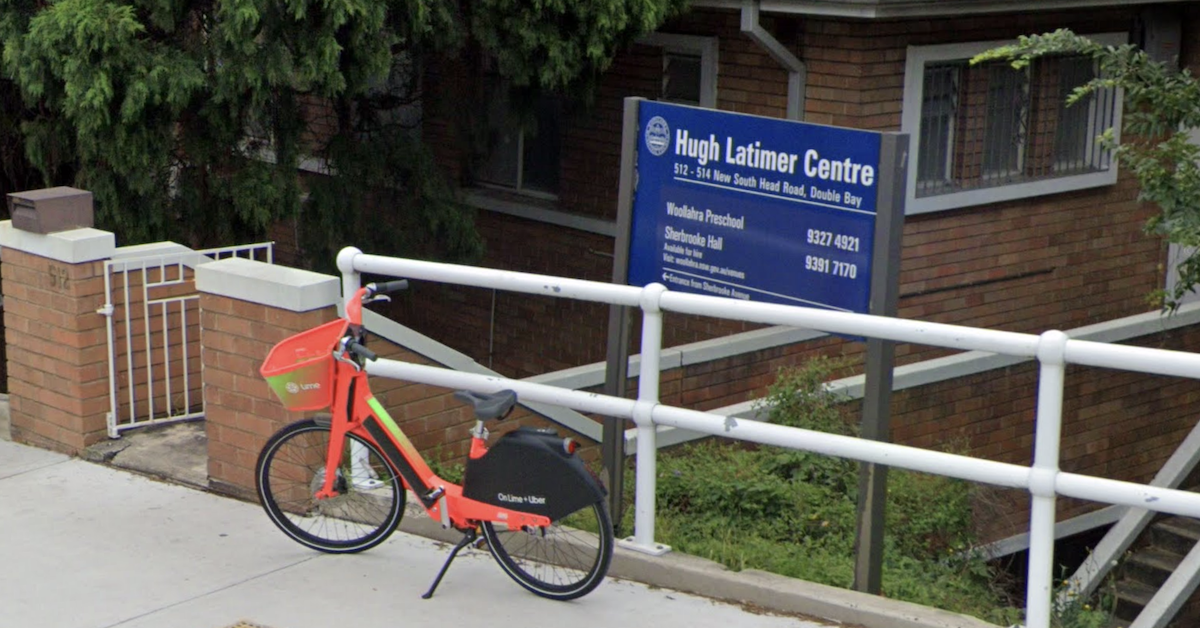
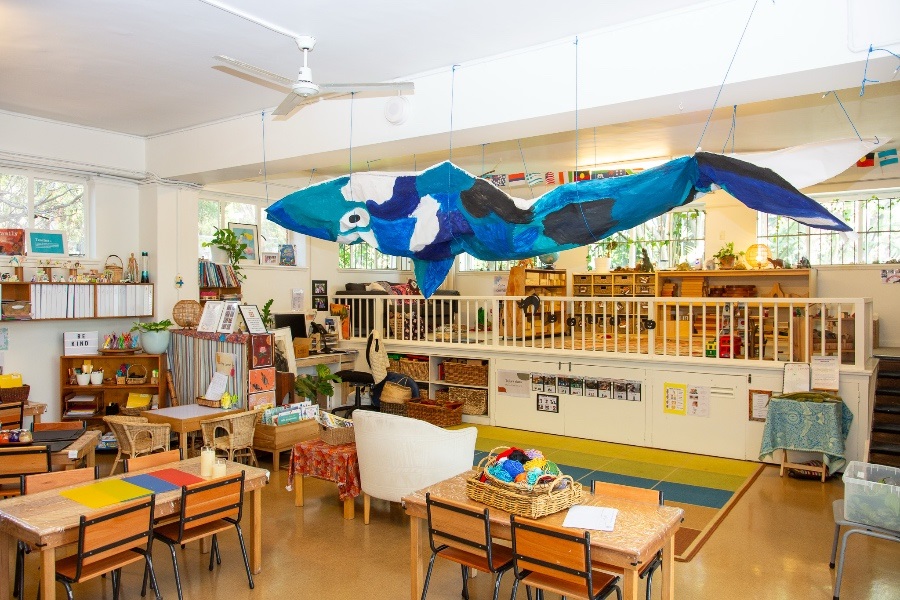
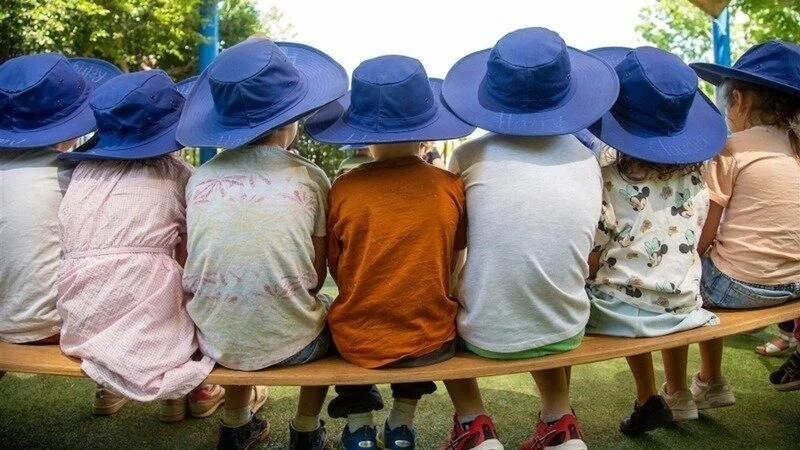
Still, services for children and families remain part of the local mix. Woollahra Preschool in Double Bay is an 80-place early education and care service for children aged three to five.
The structural framework of the Hakoah Club‘s new campus at 30 Alma Street, Paddington has been completed, bringing Sydney’s largest Jewish community development in decades to a milestone its 3,409 Foundation Members have been waiting nearly two decades to reach.
A Norfolk pine now stands in the grounds as a living memorial to the 15 people killed in the terror attack at a Hanukkah gathering in Bondi on 14 December 2025 — planted at the topping out ceremony as a symbol of a community determined to grow through grief.
From vision to reality
Hakoah sold its former Hall Street, Bondi home in 2009, leaving Sydney’s Jewish community without a dedicated home for sport, culture and connection.
It took seven years to get the project off the ground, moving from the first 2015 planning application to NSW Land and Environment Court approval in 2021, and finally to construction in November 2022.
Photo Credit: @hakoahclub/Instagram
The scale of the build changed dramatically over that time, driving costs from an early estimate of $65 million up to the current $150 million-plus reality.
Hakoah president Steven Lowy described the milestone as the result of an extraordinary collective effort. “Today marks the result of 17 years of determination, generosity, and an unshakeable belief in what this community can achieve together,” Lowy said.
Photo Credit: @hakoahclub/Instagram
A tree planted in remembrance
The Norfolk pine at the heart of the milestone carries particular weight given the timing.
“A Norfolk pine has been planted here as a living memorial to those affected by the horrific event at Bondi on 14 December 2025, during Hanukkah, which struck at the heart of our Jewish community,” Lowy said. “This tree will stand for generations as a reminder of those we lost, and of a community that continues to grow.”
Lowy said the need for a safe gathering place had taken on new urgency in the months since the attack. The campus, while Hakoah’s to steward, is designed to be open to all.
Inside the new community campus
Designed by Cottee Parker Architects and built by Richard Crookes Constructions, the 30,000-square-metre campus at 30 Alma Street is a short walk from Edgecliff Station. More than 174,000 hours of work have gone into reaching structural completion, with facade works beginning this month.
The campus will include a floodlit full-size football pitch, indoor multi-sport courts for basketball, netball and futsal, two swimming pools, nine tennis courts operated by Sydney Maccabi Tennis, a 1,600-square-metre gym, a 140-seat café, dining and event spaces, children’s play areas and landscaped outdoor areas.
The historic White City heritage arches, southern grandstand trusses and roofline will all be preserved as part of the design.
A community-funded project
More than $100 million was raised from the Jewish community to fund the project. The project secured a total of $54.5 million through public grants. The bulk of this came from a $32 million security and infrastructure package delivered in March 2026 after the Bondi attack, which added to the $22.5 million originally provided.
Executive Council of Australian Jewry co-chief executive Alex Ryvchin said the campus would redefine Jewish identity in Australia. “Hakoah will be the place of gathering, of celebration, and strength to connect generations and guide our community to its best days,” Ryvchin said.
Looking ahead to 2027
The campus is on track to open in April 2027. Membership registration is open, with a target of 8,000 Foundation Members by opening. Partner organisations include Maccabi NSW, Shalom Collective and JCA.
Membership enquiries and further information are available here.
Guillaume Brahimi will return to Double Bay for a four-night French bistro pop-up at Baker Bleu, with the bakery set to host a short run of his classic French dishes.
The residency will run from Thursday, 6 August to Sunday, 9 August at Baker Bleu, 2 Guilfoyle Avenue, Double Bay. During the event, the daytime bakery will operate as a French bistro by night.
Brahimi, who is mainly based in Melbourne at Bistro Guillaume, will be in the kitchen for the limited run. It will be the first time in six years that Sydney diners have had the chance to eat his cooking.
The four-course menu will focus on dishes associated with Brahimi’s bistro cooking, including onion soup, cheese soufflé, roast chicken with tarragon jus and steak au poivre.
Sides will include Paris mash, frites and green salad, while desserts will include profiteroles, passionfruit soufflé and lemon tart.
The menu is priced at $190 and includes bread, a snack, entrée, main, dessert, petit fours and sides. A short wine list will be available by the glass or bottle, with selections drawn from Brahimi’s personal favourites.
Several dishes in the residency are also featured in Brahimi’s recent book, Plat du Tour, which was released in April.
The Double Bay pop-up will have nine tables available per service, with seven sittings planned across the four-night residency.
Bookings opened on 2 July and are available by phone only on 0458 400 327. Sittings are listed at 5:45pm and 8pm.
Baker Bleu co-founder Mike Russell has described the event as a chance for the neighbourhood bakery to open at night and take on a French-style bistro format, with the venue’s bread served alongside Brahimi’s food.
Brahimi has a long association with Sydney dining. After moving to Sydney in the 1990s, he later took over the Sydney Opera House restaurant space and opened Guillaume at Bennelong in 2001.
That restaurant continued until its final service on New Year’s Eve in 2013. Brahimi later opened Bistro Guillaume in Sydney’s CBD in 2016.
He is currently operating Bistro Guillaume in Melbourne and continues as a culinary ambassador for Crown Sydney. Bistro Guillaume Perth concluded its 14-year run in April.
Renowned Australian artists Gillie and Marc Schattner have added another address to their growing collection of Sydney trophy homes, this time picking up a harbourfront deceased estate in Darling Point for $12.2 million.
The husband-and-wife duo, celebrated internationally for their bronze and fibreglass sculptures, are understood to have struck a deal on 84 Darling Point Rd shortly after the five-bedroom, four-bathroom home passed in at auction on Friday night with a final bid of $11.55 million.
Sitting on a 456sqm block at the prestige harbourfront end of the street, the property had been on the market for more than 100 days. It was originally floated off-market with an $18 million guide before being brought down to around $15 million during the formal campaign, before eventually changing hands for $12.2 million.
The home was marketed by Richardson and Wrench principal Michael Dunn alongside James Dunn of Sotheby’s. While the agents have not been able to confirm the sale price, the listing has since been updated to reflect a sold status, and the figure has been corroborated by multiple sources.
The Darling Point residence had belonged to the late Richard and Janet Cowan, who had owned the property for more than 50 years. Publicly available land title records do not show the purchase price or settlement date from when the Cowans first bought in.
The three-level home is described in its real estate listing as taking in a north-facing aspect, with wide terraces and sweeping balconies designed to make the most of harbour views and natural light. It also features high ornate ceilings, marble fireplaces and ironlace balconies typical of the area’s heritage housing stock, along with a country-style kitchen that opens onto a landscaped garden and inground pool. The upper floors house two large bedroom suites and a converted attic space.
This isn’t the first time the Schattners have taken on a major reno project in Sydney’s eastern suburbs. The pair are well known for buying character homes, giving them a refresh, and decorating them with examples of their own artwork before moving on.
Most recently, they sold a five-bedroom home on a 456sqm block at 304 Jersey Rd, Woollahra, after a sales campaign that stretched across roughly eight months. That property had been listed with a $15 million guide last July and eventually sold for $13.8 million — still a healthy return on the $10.5 million they’d paid for it back in 2021.
Before Woollahra, the couple sold a Centennial Park property for $12 million in 2021, having bought it for $6.5 million four years earlier. They have also taken on similar projects in Bellevue Hill and Potts Point over the years.
Gillie and Marc have built an international reputation for their large-scale public sculptures, which have featured in cities around the world, and for their recurring artistic characters Rabbitwoman and Dogman.
Given their track record, it’s likely the Darling Point home’s traditional interiors — including that country-style kitchen — will eventually make way for a look that better suits the couple’s distinctive bronze and fibreglass pieces.