


A dementia expert from Double Bay has been recognised for decades of impact in diagnosis, care and prevention, winning the 2026 NSW Senior Australian of the Year.
Community Impact
The announcement came after years of work in diagnosis, care and prevention led by Professor Henry Brodaty AO, a psychiatrist and researcher based at UNSW. He has spent decades trying to improve support for older Australians and their families.
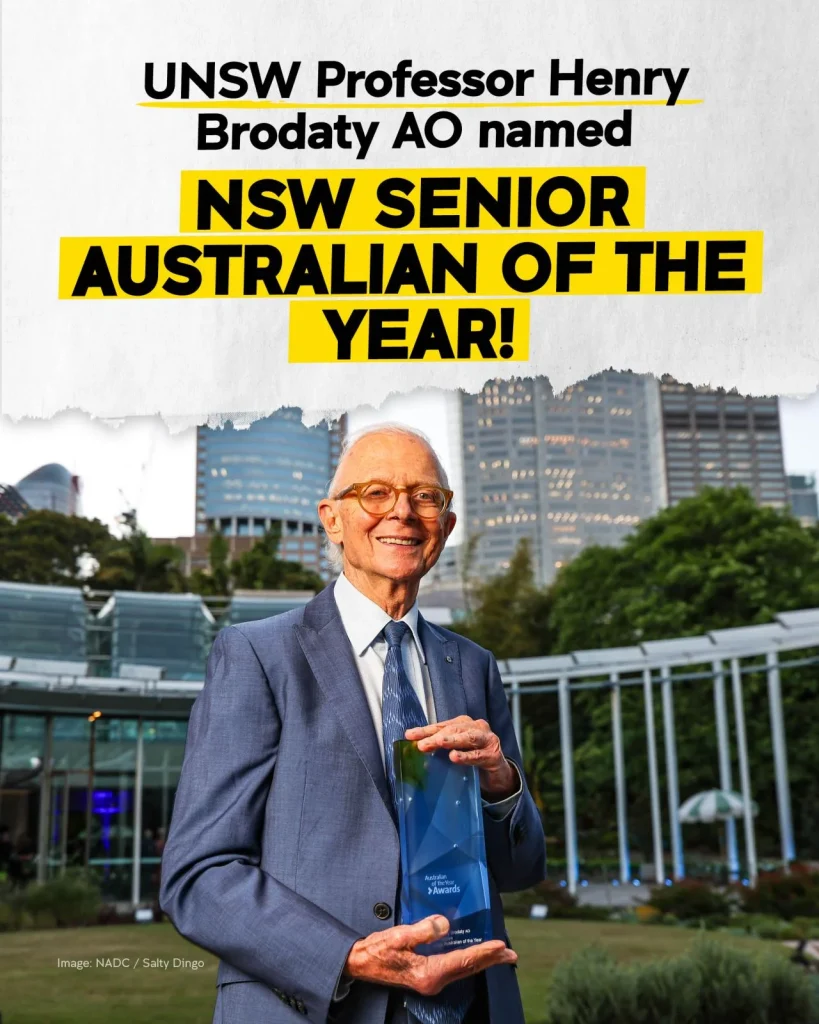
His work began with his own experience after his father developed young onset dementia. He saw how little guidance existed at the time and focused his career on creating better pathways for patients and carers.
Lifelong Commitment to Dementia Care
In the 1980s, he helped create one of the nation’s first memory clinics at a time when dementia was often overlooked. He later co founded the Centre for Healthy Brain Ageing, which became a major hub for research and community education. His team also built practical tools used by general practitioners to check early memory problems.

One of these tools became widely used and supported early testing across Australia and overseas. Research led by his group showed how a mix of exercise, nutrition, brain training and mental health support can help lower dementia risk.
Recognition Across NSW
The award was presented at a ceremony in Sydney on 11 November 2025. State officials noted the strong community influence of his work. They described how his research, clinical practice and public leadership helped shift dementia from a topic avoided in public to one discussed openly with more support for families.
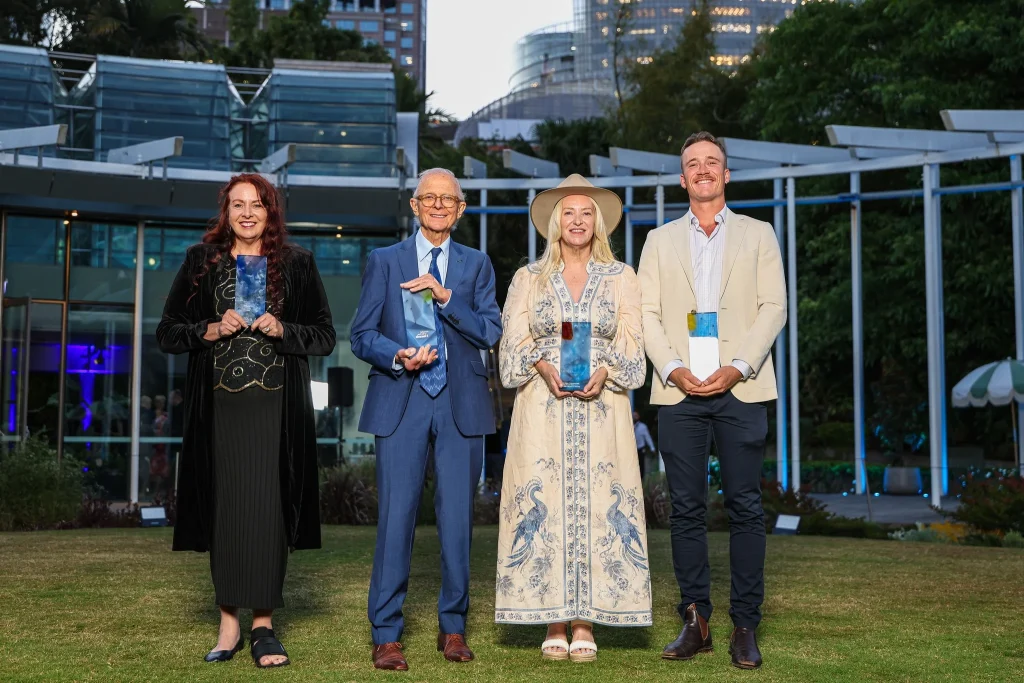
They also highlighted the role he played in guiding national planning for dementia care. UNSW shared that he viewed the honour as a way to acknowledge both his parents and the many families who live with dementia every day.
A Focus on Families
Professor Brodaty has long said that better care should support both the person with dementia and the people who look after them. His programs showed that carer training reduces stress and delays the need for residential care. His work helped shape government strategies and encouraged stronger community understanding.
He believes recent progress reflects years of effort across science, health services and family support networks. Community groups and medical organisations have praised his leadership for helping many older Australians receive earlier answers and more connected care.
Published 21-November-2025