

Storied Double Bay Hotel, Site of Celebrity and Tragedy, Set for $1bn Rebirth

The Double Bay hotel that once hosted Princess Diana and saw the tragic death of Michael Hutchence will soon be gone, making way for a $1 billion mixed-use precinct after developers won final approval for its demolition.


A Landmark’s New Look
Double Bay hotel
Photo Credit: Cox Architecture

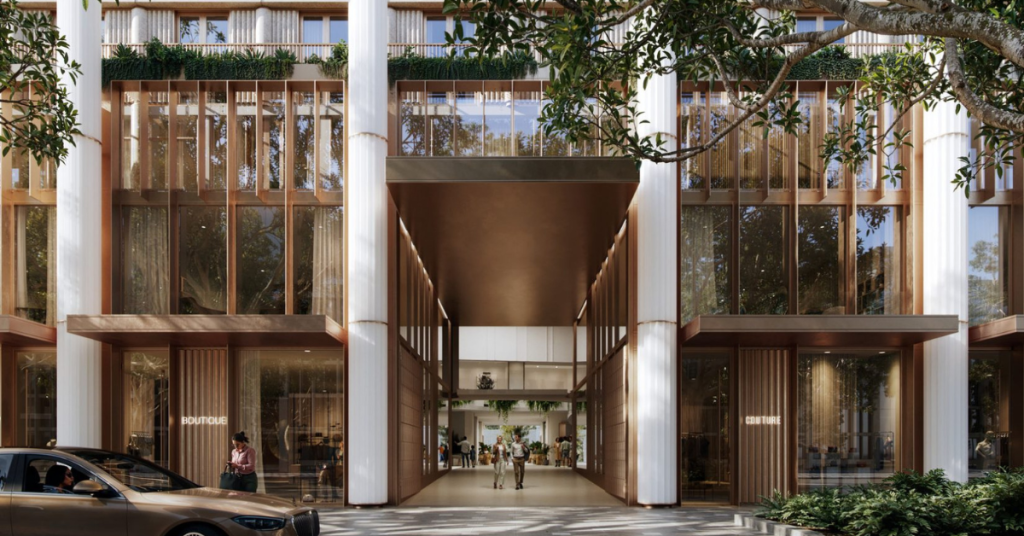
The InterContinental Hotel site at 33 Cross St, which has long been a key part of Double Bay’s identity, has received the green light for a major overhaul. The project, led by Sydney developers Eduard Litver of Capitel Group and Allen Linz of Rebel Property Group, will see the current six-storey building replaced.

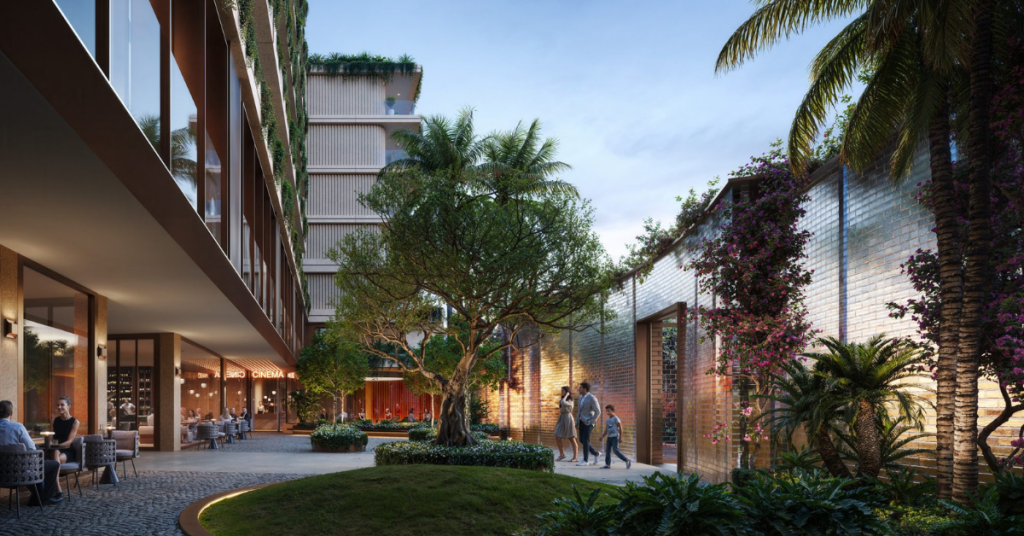
In its place, a new landmark building designed by COX Architecture will be constructed. This new structure will feature a mix of high-end shops and dining, commercial offices, boutique accommodation, luxury residences, and a wellness centre. The development application, which was lodged late last year, was approved in under 12 months.

A Site Rich with History
Double Bay hotel
Photo Credit: Cox Architecture

For many, the hotel holds powerful memories. It was the preferred hotel for visiting celebrities and royalty, including the late Princess Diana, who stayed there just a year before her death. The site is also remembered as the Ritz Carlton, where, 28 years ago, INXS frontman Michael Hutchence tragically died. This approval marks the end of that specific era for the building, paving the way for a complete revitalisation.

A Focus on the Future Village

Double Bay hotel
Photo Credit: Cox Architecture

The developers behind the project expressed that the approval is a significant milestone for Double Bay’s ongoing evolution. Allen Linz said the team welcomes the decision and looks forward to creating something that enriches the local community. He stated their goal is to strengthen the area’s appeal as Sydney’s top harbourside destination.

Eduard Litver added that the project will make a lasting contribution to the village’s future. He noted that the new retail and hospitality spaces are designed to support local life and business, adding to the vitality of the area.


From Planning to Building

With the project now fully approved, the team’s attention is shifting to the next phase. Arian Galanis of Metis Group, who managed the project through the approval process, said the focus now turns to delivery. He confirmed the team is working closely with designers to bring the vision for 33 Cross Street to life, aiming to set a new benchmark for quality lifestyle-led development in Sydney.

Published Date 28-October-2025

New Planning Laws Prompt Developer Interest in Double Bay

New planning laws have led to heightened developer interest in Double Bay, with property owners now reassessing the value and potential of their land.


 Zoning Reforms Reshape Development Potential

The NSW government introduced new planning laws on 28 February as part of a broader strategy to address the state’s housing shortage. These laws apply to areas located within 800 metres of 171 designated train stations or shopping centres across Sydney, Newcastle, Wollongong, and the Central Coast.

Under the new framework, buildings of six to eight storeys can be constructed within 400 metres of key hubs, while development of up to three storeys is permitted between 400 and 800 metres. Changes to floor space ratios and dual occupancy rules are also increasing development capacity across multiple lots.

How Double Bay Fits the Picture

Double Bay is among the suburbs impacted by the planning reforms. While the changes are intended to improve housing supply, local real estate agents anticipate that three-bedroom apartments in new developments around Double Bay may be priced between $5 million and $6 million—and even higher if properties offer views. This has raised questions about whether the policy will enhance housing affordability in high-end areas.

Developers are now targeting eligible locations for redevelopment, including amalgamated sites. In other parts of Sydney, some property owners have doubled their sale price by consolidating adjoining lots for larger-scale projects.

Wider Movement Across Sydney

Similar activity is unfolding in other eastern suburbs including Rose Bay, Edgecliff, Bondi Junction, and Maroubra. In Rose Bay alone, 28 homeowners have combined their properties, with at least 60 amalgamations reported in one three-block radius.

In Gordon, developers are securing options on homes near train stations, with some properties reaching prices of up to $12 million. Meanwhile, in Mosman, concerns have been raised over six-storey buildings being planned in low-rise areas near Balmoral Beach.

Mixed Sentiments Among Property Owners

While some owners welcome the financial benefits, others are facing limitations. In Gordon, heritage-listed homes are excluded from redevelopment despite being located in newly eligible zones. Affected residents have raised concerns about loss of privacy, overshadowing, and future property values.

Local councils, including Mosman, have indicated that developments meeting the new planning criteria cannot be rejected on the basis of height or density. However, objections may still be submitted on other grounds—such as view obstruction or privacy impacts—though how they will be assessed remains unclear.

Double Bay housing development
Photo Credit: Google Maps Street View

Policy Sparks Activity but Raises Questions


The new planning rules mark a major shift in development controls as the state government seeks to ease housing pressures. In areas like Double Bay, the reforms have triggered immediate developer activity and multi-million-dollar transactions. However, uncertainty remains around affordability outcomes, the inclusion of heritage properties, and long-term impacts on urban character.

Published 13-Apr-2025