




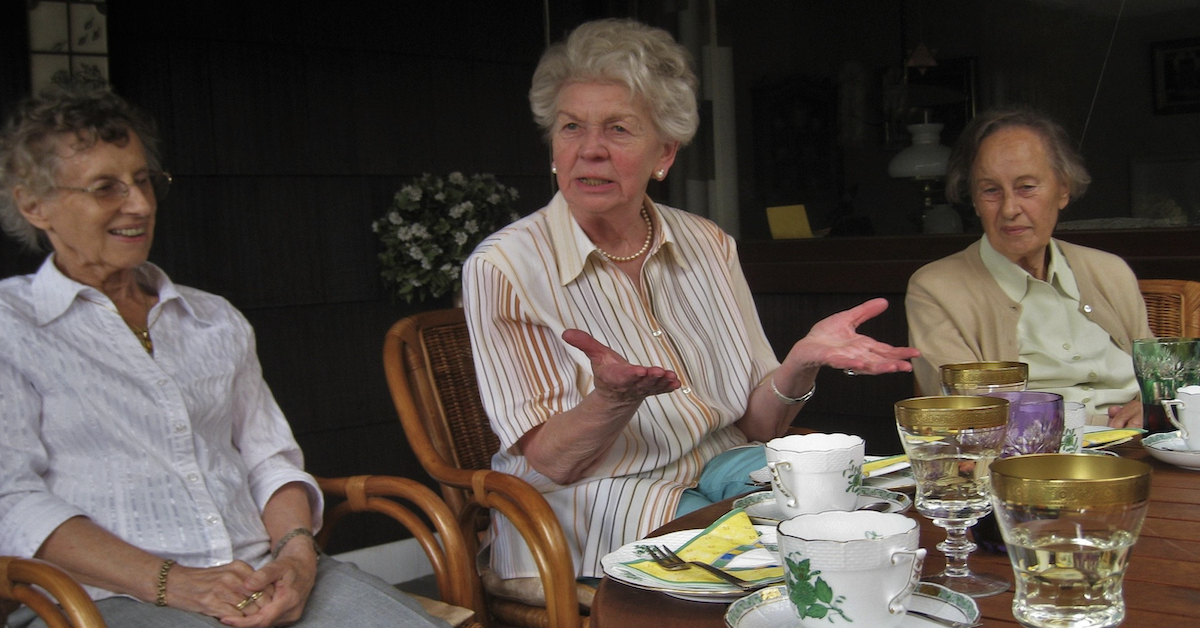
Almost one in four residents in the Double Bay–Darling Point area is aged 65 or over, while the gap between seniors and under-20s is the widest recorded since 2001.
Australian Bureau of Statistics estimates show the combined area had 2,538 residents aged 65 and over in 2024, compared with 1,424 people under 20. That was a difference of 1,114.
The figures cover the Double Bay–Darling Point Statistical Area Level 2, or SA2. The ABS combines the neighbouring suburbs for statistical purposes and does not provide separate age totals for each suburb in this dataset.
An older age profile for decades
The older age profile is not new. Seniors have outnumbered under-20s since at least 2001, but the gap is now wider than in the earlier comparison years.
Double Bay and Darling Point have had more residents aged 65 and over than under-20s for at least two decades. In 2001, the area had 2,068 seniors and 1,239 people under 20, leaving a gap of 829. The difference was 812 in 2011 and 927 in 2019. By 2024, it had widened to 1,114.
Of the area’s estimated 10,248 residents in 2024, people aged 65 and over made up 24.8 per cent. Under-20s accounted for 13.9 per cent, while residents aged 20 to 64 made up the remainder.
The recent change came mainly from a fall in the number of children and teenagers, rather than a large rise in the senior population. Between 2019 and 2024, the area’s total population fell by 357. The number of under-20s dropped by 161, while the population aged 65 and over rose by 26.
Housing may be one factor
The ABS figures measure the estimated resident population as of 30 June each year. They show how the age mix has changed, but they do not record why people move into or leave an area.
Housing may help explain the age profile, although the population figures alone cannot prove a direct link. Double Bay is known for its shops, cafés and restaurants, which attract visitors from outside the area. Neighbouring Darling Point has a more residential character.
Double Bay and Darling Point contain a mix of apartments and detached homes. Separate property and household data would be needed to measure how prices, rents and dwelling sizes affect families seeking to live locally.
Ageing in place may also contribute. However, the ABS figures do not show how long residents have lived in the area or whether they own or rent their homes.
Services for older residents and families
Woollahra Municipal Council has identified population ageing in its strategic planning. Council documents have also linked ageing in place with the need for accessible housing near shops, health services and public transport. The older age profile may increase the importance of health services, accessible footpaths, safe crossings and support at home.
Woollahra Council supports programs for older residents, including Dementia Friendly Woollahra. The Cottage Dementia Day Centre also operates in Darling Point and provides support for people living with dementia.
Still, services for children and families remain part of the local mix. Woollahra Preschool in Double Bay is an 80-place early education and care service for children aged three to five.
Published 23-July-2026


